
What You Need to Know About Roof Durability and Care
A durable roof is one of the most important parts of a safe and comfortable home. It protects the structure from rain, wind, snow, heat, and debris while also helping preserve energy efficiency and curb appeal. Because roofing systems are exposed to the elements every day, they require thoughtful material choices, proper installation, and consistent care. Homeowners who understand how roofs age and what maintenance steps matter most are better prepared to prevent costly damage and extend the life of their investment.
Roof durability depends on several factors, including the roofing material, local climate, ventilation, drainage, and workmanship. Even the strongest roof can fail early if it is neglected or installed incorrectly, which makes proper planning essential. Working with experienced residential roofers can help homeowners identify issues before they become serious and make informed decisions about repairs, replacement, and long-term protection. Taking a proactive approach allows homeowners to avoid unnecessary expenses while maintaining a safe and efficient home environment.
Choosing Durable Roofing Materials
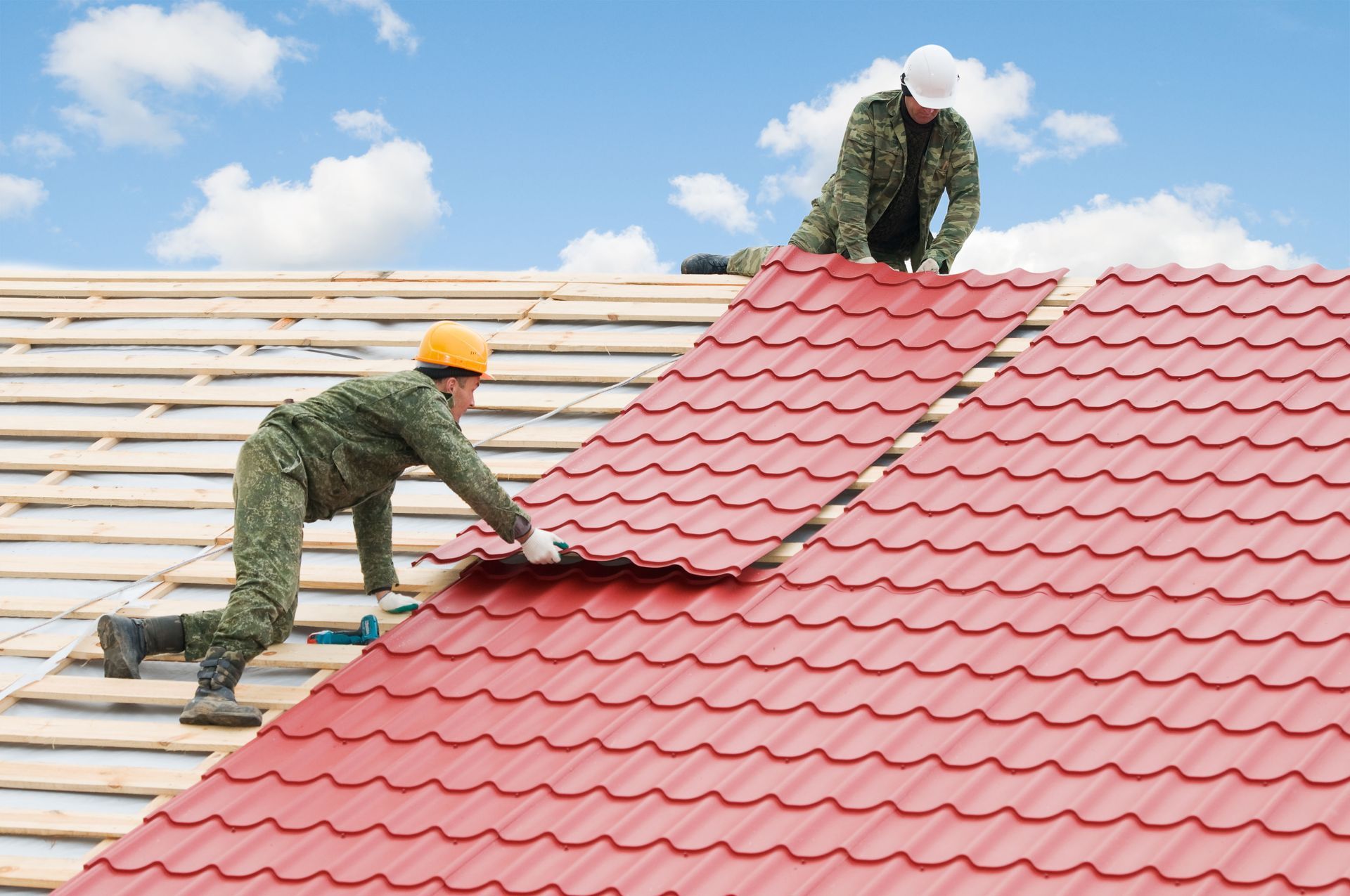
The material you choose has a major impact on how long your roof will last and how well it performs under different conditions. Asphalt shingles are common because they are affordable and versatile, while metal roofing offers strong resistance to wind, fire, and moisture. Tile and slate can provide exceptional longevity, but they may require additional structural support because of their weight and installation needs. Selecting the right material means balancing cost, durability, appearance, and maintenance expectations.
According to The Spruce, slate roofs can last anywhere from 50 to 200 years. This makes slate one of the longest-lasting options available, though it is not the right fit for every home or budget. Residential roofers can explain the benefits and limitations of each material so you can choose an option that matches your home, climate, and maintenance expectations. Their guidance helps homeowners make informed decisions that support long-term performance and value.
Inspecting Roof Damage Regularly
Routine inspections are essential for keeping a roof in good condition and preventing small problems from becoming major issues. Homeowners should look for missing shingles, cracked flashing, sagging areas, ceiling stains, clogged gutters, and granule loss. These warning signs may seem minor at first, but they can point to larger problems developing beneath the surface. Regular inspections also help homeowners become more familiar with their roof’s condition over time.
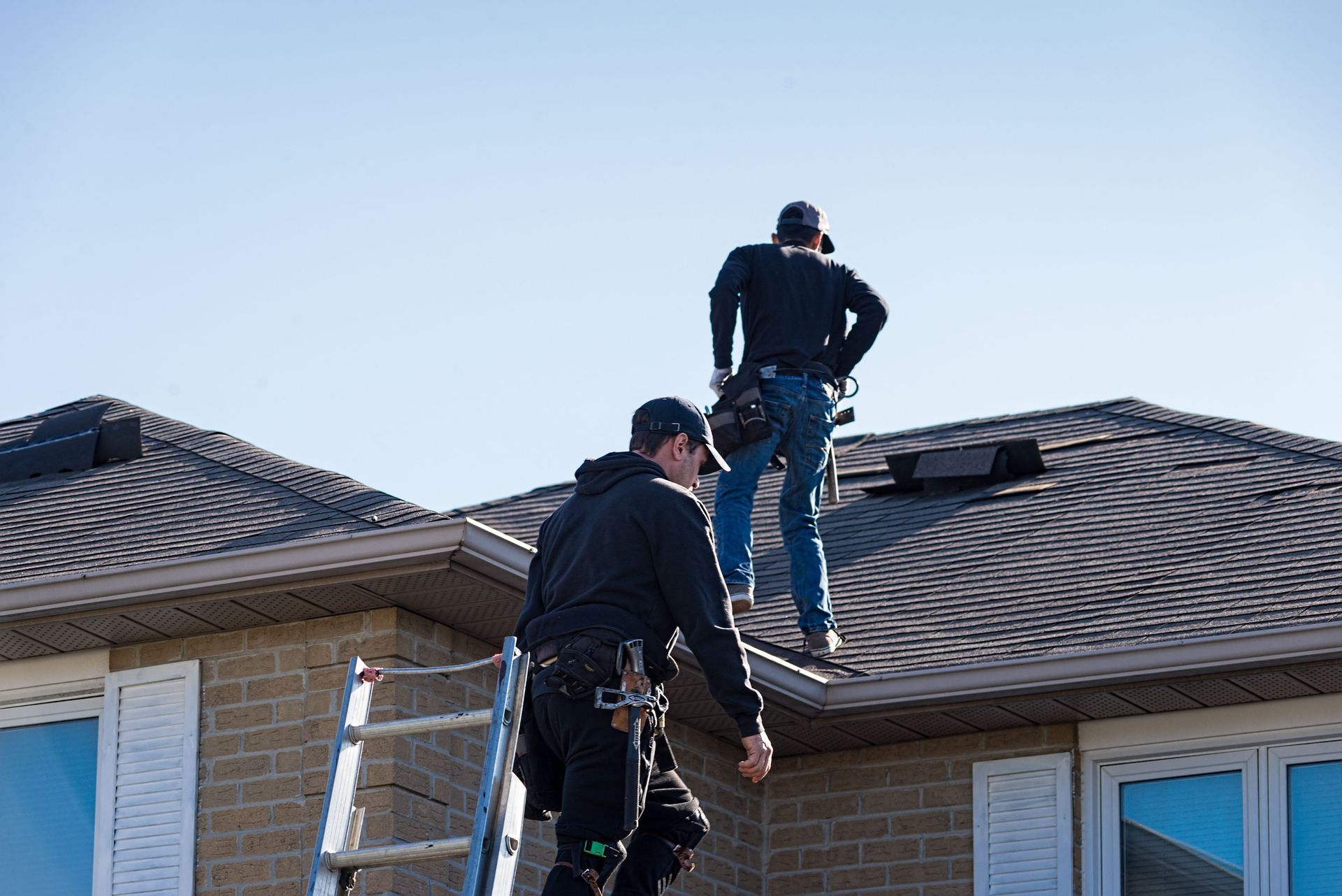
Professional inspections are especially helpful after major storms or seasonal weather changes that may cause hidden damage. Trained residential roofers know how to spot issues that may not be visible from the ground or obvious to an untrained eye. They can also determine whether an issue requires a simple repair or more extensive work, helping homeowners avoid unnecessary delays and expenses. Scheduling inspections at least once or twice a year can make a noticeable difference in long-term roof performance.
Maintaining Proper Roof Ventilation
Ventilation plays a key role in roof durability by helping regulate attic temperature and moisture levels throughout the year. A roof needs balanced airflow to prevent excessive heat buildup during warmer months, which can cause shingles to deteriorate more quickly. Without proper ventilation, trapped heat can also increase energy costs and make indoor spaces less comfortable. Proper airflow helps maintain a stable environment that supports the longevity of roofing materials.
Moisture buildup is another concern that can arise when ventilation is inadequate or poorly designed. Poor airflow can lead to condensation, mold growth, wood rot, and insulation damage over time. By maintaining a healthy ventilation system, homeowners can protect both the roof and the interior structure of the home. Residential roofers can evaluate vents, soffits, and attic conditions to support consistent air circulation and reduce potential issues.
Cleaning Gutters and Drainage Systems
Gutters are designed to direct water away from the roof and foundation, making them an important part of roof maintenance. When gutters become clogged with leaves, dirt, branches, or granules, water can back up under roofing materials and cause damage. This can lead to leaks, fascia deterioration, and even structural concerns if left unaddressed. Keeping gutters clear helps maintain proper water flow and prevents buildup in vulnerable areas.
Cleaning gutters at least a few times a year can help prevent these issues and extend the life of the roof. Homeowners should also make sure downspouts are directing water away from the home’s foundation to avoid pooling. If drainage problems continue despite regular cleaning, residential roofers can inspect the roof edges and gutter system for deeper concerns. Addressing drainage issues early helps protect both the roof and the surrounding property.
Repairing Small Problems Quickly
Small roofing problems can become expensive if they are ignored or allowed to worsen over time. A loose shingle, cracked seal, or minor flashing issue may allow water to enter the home and cause hidden damage. Once moisture reaches the decking, insulation, or walls, repairs can become much more complicated and costly. Addressing issues early helps prevent long-term damage and protects the integrity of the structure.
Timely repairs help extend the life of the roof and maintain its overall performance. Homeowners should avoid waiting until a leak becomes obvious indoors, as this often indicates more advanced damage. Calling residential roofers at the first sign of trouble can prevent small issues from escalating into major repairs. This proactive approach supports both safety and cost savings over time.
Protecting Roofs From Weather
Weather is one of the biggest threats to roof durability, as it exposes materials to constant stress and changing conditions. High winds can lift shingles, heavy rain can expose weak areas, hail can cause cracks or dents, and snow can add significant weight. Sun exposure can also dry out certain roofing materials, making them brittle and more prone to damage. Understanding these risks helps homeowners take preventive measures.
While homeowners cannot control the weather, they can take steps to prepare for it and reduce potential damage. Keeping trees trimmed, removing debris, maintaining flashing, and scheduling inspections after severe storms can all help protect the roof. Weather-resistant materials and proper installation methods also improve a roof’s ability to withstand harsh conditions. Regular maintenance helps the roof remain strong and reliable throughout the year.
Planning Roof Replacement Wisely
Every roof eventually reaches the end of its useful life, and recognizing the signs early can prevent unexpected problems. Signs that replacement may be needed include repeated leaks, widespread shingle damage, sagging areas, and excessive granule loss. Waiting too long to replace an aging roof can lead to structural damage and higher repair costs. Planning ahead allows homeowners to avoid emergency situations.
Planning a roof replacement gives homeowners time to compare materials, budgets, warranties, and installation schedules. It also reduces stress and allows for better decision-making when choosing a new system. Residential roofers can guide homeowners through the replacement process to provide a durable, efficient result suited to the property. A well-planned replacement can improve both performance and long-term value.
Roof durability depends on the choices homeowners make before, during, and after installation. Durable materials, regular inspections, proper ventilation, clean gutters, timely repairs, and smart replacement planning all work together to protect the home. With consistent care and support from experienced residential roofers, a roof can provide reliable performance for many years while helping preserve the value and safety of the property. To get expert help with roof care, repair, or replacement, contact Elite Construction Solutions.
Share On: